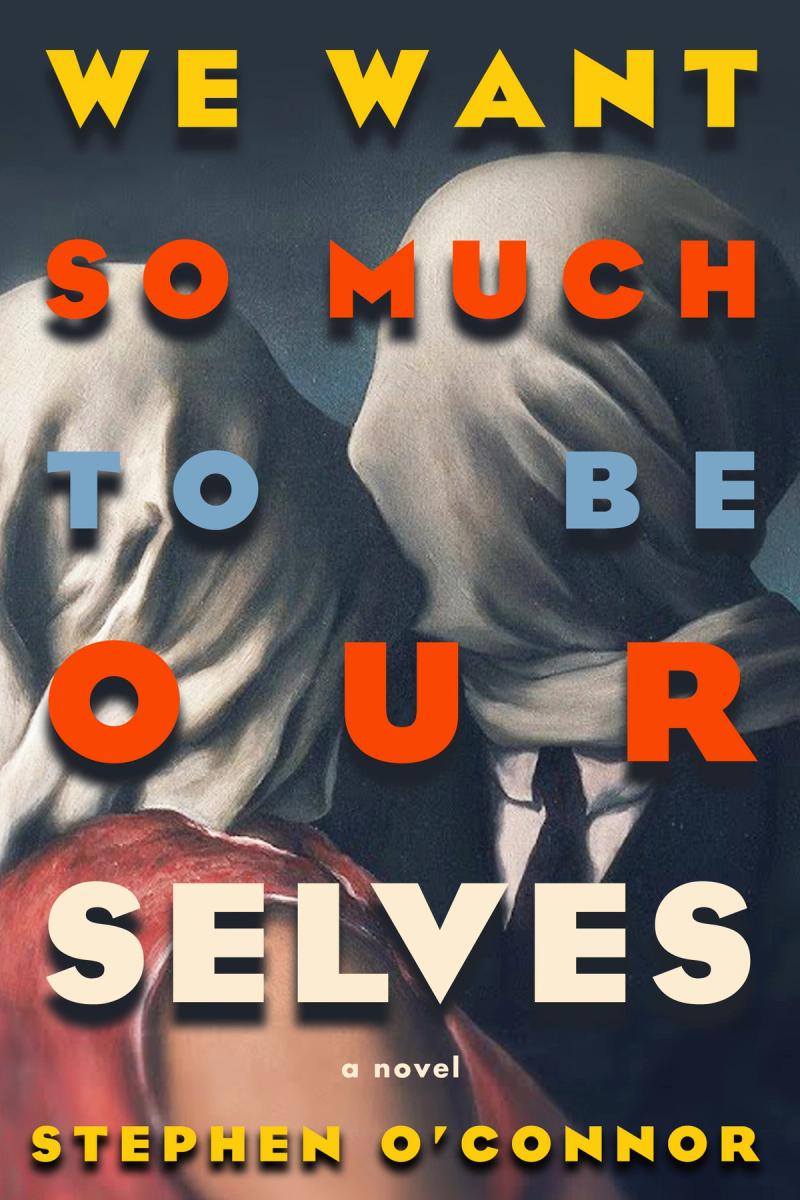
We Want So Much to Be Ourselves
Günter Zeitz, psychoanalyst-in-training and the son of a Catholic country doctor, and Josine Rosen, Sigmund Freud’s patient and the daughter of a Jewish shipping magnate, first meet in 1924, in Freud’s Viennese waiting room. As their intense affair develops, Freud arranges for Günter’s appointment to the newly created Berlin Psychoanalytic Institute. Shortly after the move, their daughter Hannah is born. But less than a decade later, all their hopes and ideals are profoundly challenged by political realities so horrific that they are, initially, beyond comprehension.
A heartrending story of love in a time of hatred, an absorbing investigation into the Nazis’ exploitation of psychoanalysis, and a cautionary tale about self-deception and the failures of a people to recognize the lies of their charismatic leader, We Want So Much to Be Ourselves examines the ways science can be corrupted and one’s very identity transformed by historical circumstance.
New York Times Book Review “What to Read Next” selection
Jewish Book Council “Recommended Reading” selection
BookBrowse “Most Anticipated” selection
Ebook
- ISBN
- 9781954276598
Paperback
- ISBN
- 9781954276581
Stephen O’Connor shares the story behind We Want So Much to Be Ourselves with BOMB Magazine and INTERLOCUTOR Magazine, and on the INTERLOCUTOR Interviews and In Conversation… with Frank Schaeffer podcasts.
Tune in to Stephen O’Connor’s playlist for We Want So Much to Be Ourselves at Largehearted Boy, watch his BLP Conversations series discussion with Suki Kim about how people cope with life under totalitarian regimes, read his interview with Aimee Bender about navigating the conflict between artistic and political convictions at Pittsburgh Review of Books, and find his essay on redeeming Freud through fiction Freud at Literary Hub.
Read adaptations from We Want So Much to Be Ourselves first published in Harper’s Magazine and Conjunctions.
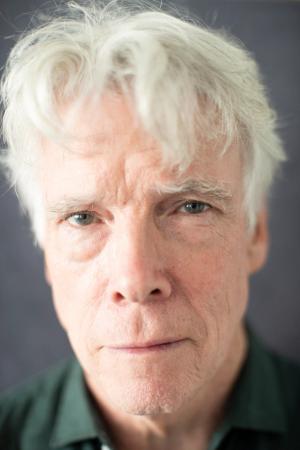
Stephen O’Connor is the author of seven books including two novels, Thomas Jefferson Dreams of Sally Hemings and We Want So Much to Be Ourselves, and the short story collection Here Comes Another Lesson. His fiction has appeared in the New Yorker, Harper’s Magazine, and Best American Short Stories, among other publications, and his nonfiction has been published in the New York Times, Nation, Boston Globe, and elsewhere. He teaches fiction and nonfiction writing at Sarah Lawrence College and lives in Manhattan.
visit author page »Praise for We Want So Much to Be Ourselves
What makes this novel so compelling is the constant moral question it poses about whether or not to bow to authoritarianism, particularly when one is not in the position of being in the persecuted minority. . . . It demonstrates the terror that the call to action instills, and the importance, nonetheless, of heeding that call.
Well-written, engaging, and suspenseful. O’Connor’s narrative successfully summons up both the atmosphere in the world of psychoanalysis in the 1920s and Nazi-era Berlin’s anxiety and paranoia. . . . It portrays profoundly human characters who live through societal trauma, from which it is possible to emerge, but rarely to emerge unscathed.
In beautiful, unsentimental prose, this gripping novel asks, Who is complicit in times of evil? Who resists? And how can ordinary life and love carry on in the face of madness? A fraught love affair and the omnipresent threat of violence make this a tense and propulsive story. Rich in fascinating historical detail, ideas, and psychological insight, O’Connor’s story brims with compassion, and sounds a warning siren.
— Kate Manning, author of My Notorious Life and Gilded Mountain
We Want So Much to Be Ourselves is a vivid, sorrowing novel about the power of ideas. As Nazi ideology rises, the story conveys the compromises and sacrifices of a decent man faced with the impossible. It does what Stephen O’Connor has long done in his work—trace the interior path of moral trouble, with all its inherent suspense. A really superb book.
— Joan Silber, author of Improvement and Mercy
[We Want So Much to Be Ourselves] will claw at your heart—as it should. A story for our own times, perhaps? In any event, it is certainly one we can learn from, if we will.
— Linda Bond, Auntie’s Bookstore (Spokane, WA)